v4.0 2024 → present
IT Systems & Applications Technician
@ Jofebar, S.A.
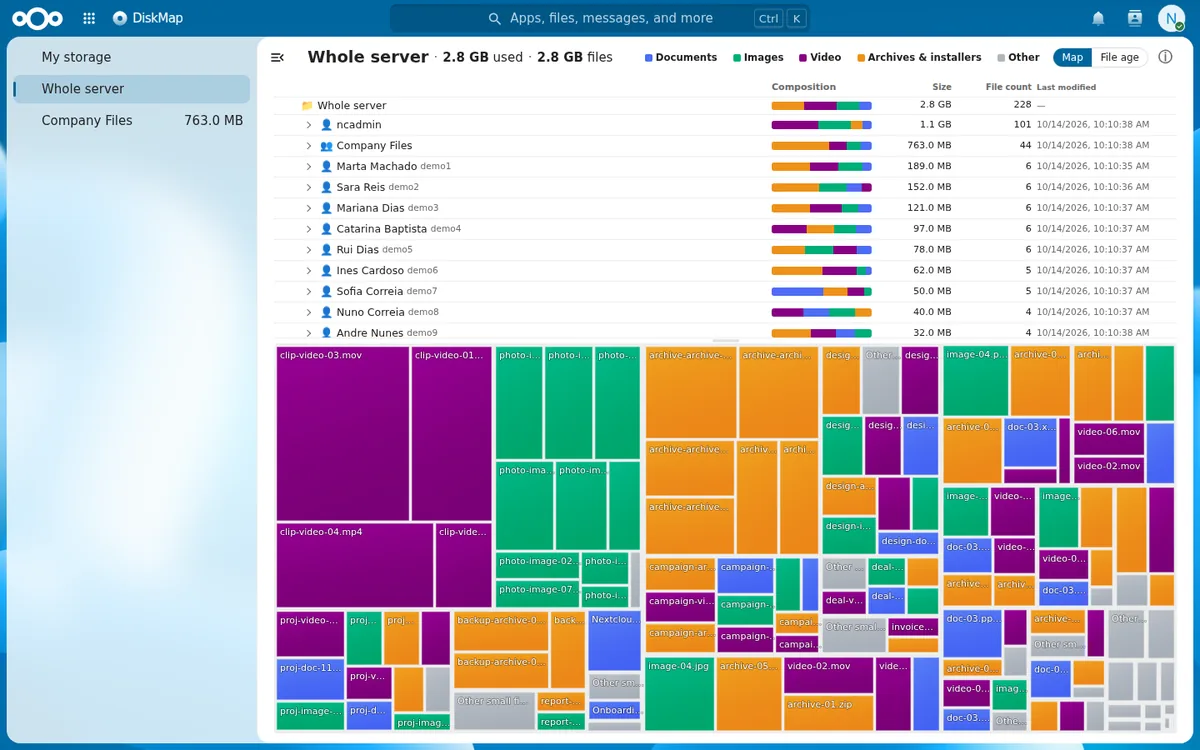
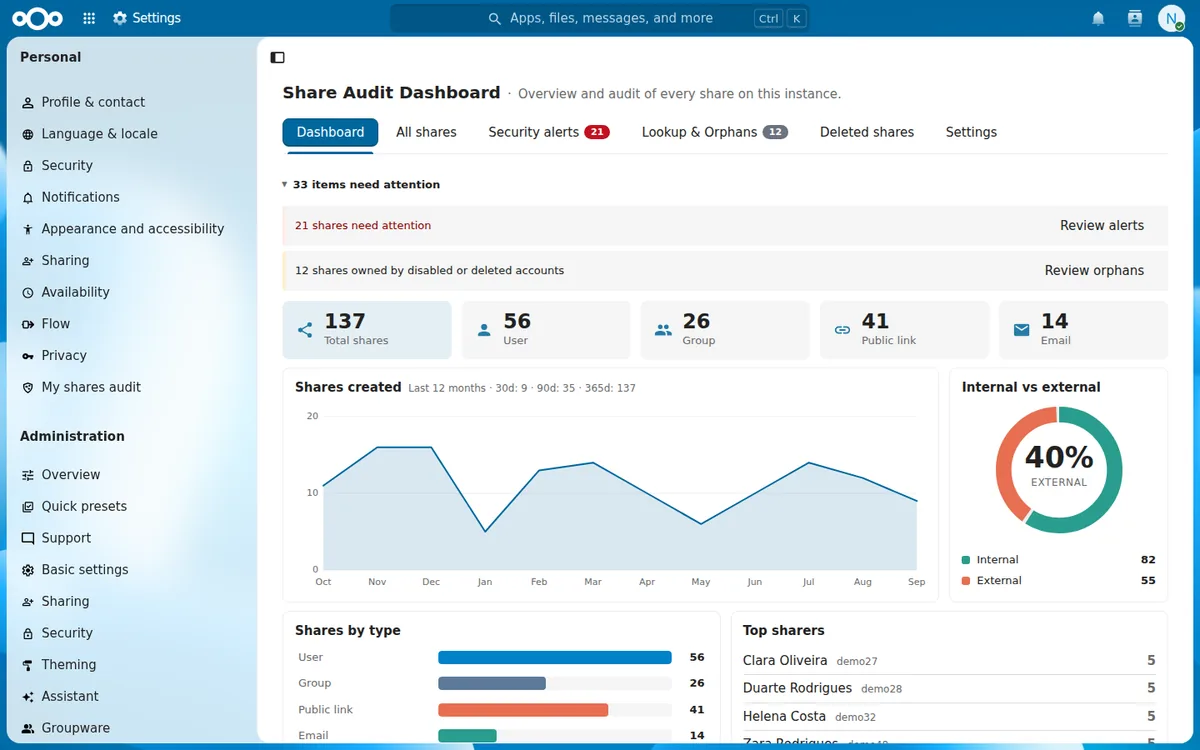
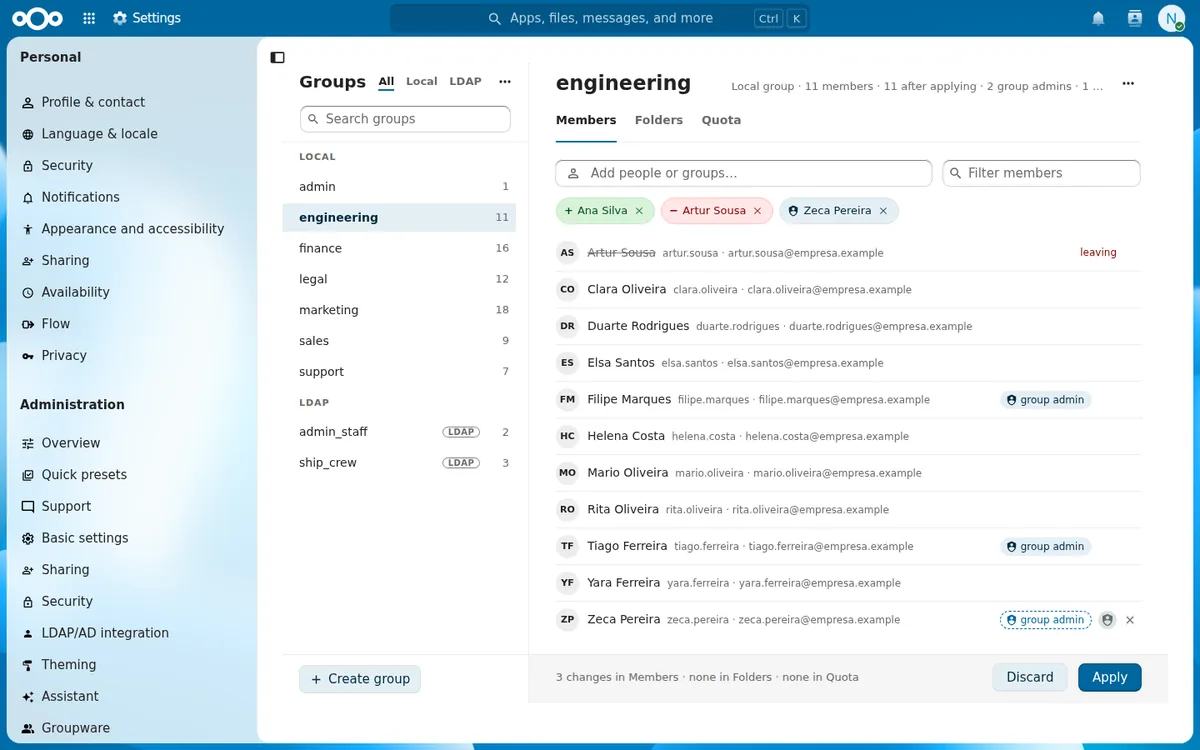
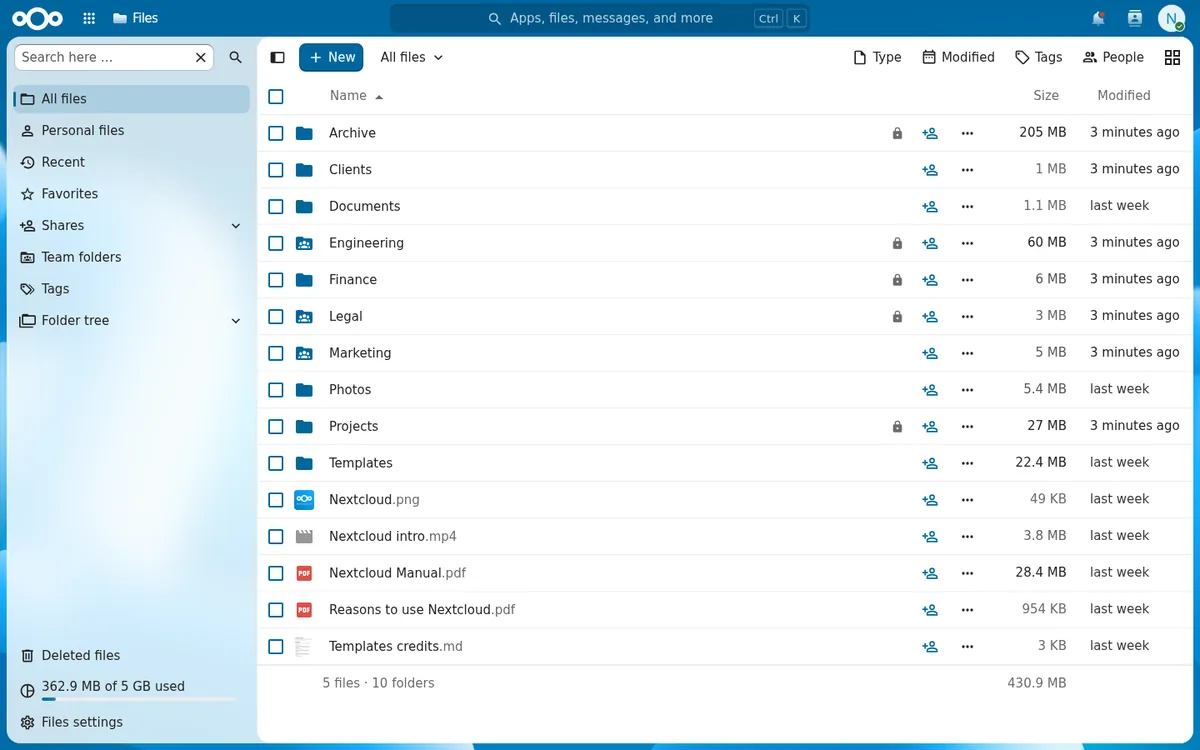
Joined in March 2024 as a web development intern; in this role since June 2024. I run the company's self-hosted Nextcloud (Ubuntu Server) for 300 users and 16 TB of storage, administer Active Directory, Group Policy and Exchange for around 300 mailboxes, monitor servers and network with Zabbix, and give first- and second-level support to all users. Every app I've published started as a need here.
NextcloudLinuxZabbixADExchange
v3.0 2022 – 2024
Information Systems Programming
@ ATEC — Training Academy
Full-time training, not a job: PHP, Laravel, Vue.js, C#, ASP.NET and databases.
training
v2.0 2004 – 2021
Kitchen Designer / Project Advisor
@ Porcelanosa · Leroy Merlin · Casa Peixoto
Seventeen years turning client needs into technical drawings and photorealistic renders — and presenting them face to face. Where the habit of explaining technical things simply came from.
3D RenderAutoCADSketchUpV-Ray
v1.0 1999 – 2002
Technical training — CAD/CAM
@ ISQ · F.C.U.P
The beginning: computer-aided technical drawing and a passion for 3D modelling.